
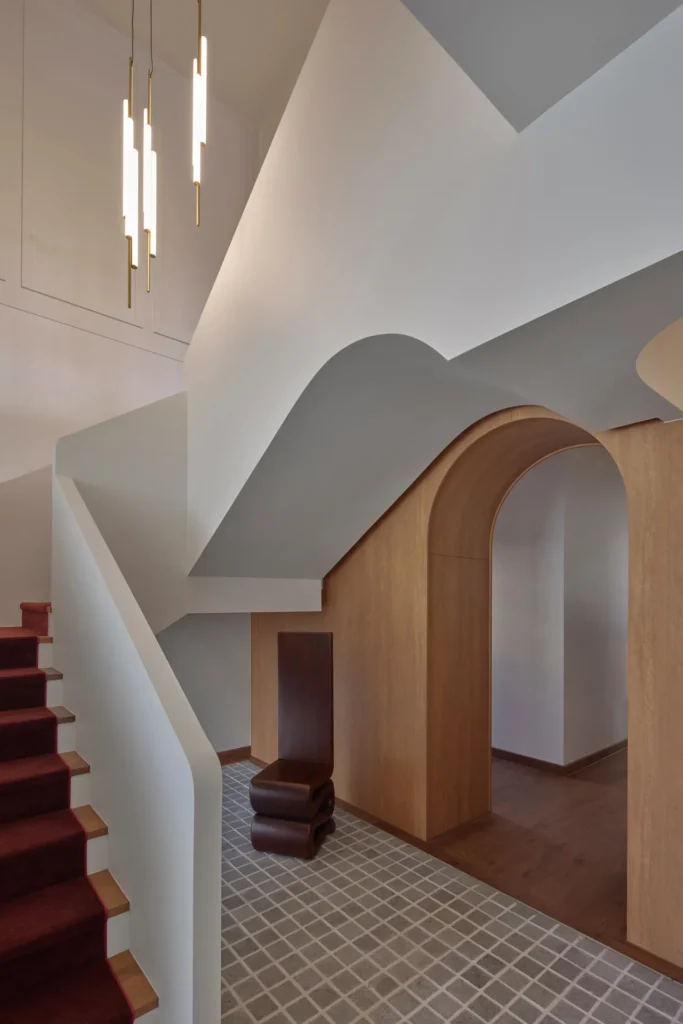
Lighting design has entered a new era. What was once controlled by a simple wall switch is now part of an intelligent ecosystem capable of transforming how spaces feel and function throughout the day.
One of the strongest themes emerging from the recent Light + Building exhibition in Frankfurt is the rapid growth of connected lighting systems designed specifically for residential and hospitality environments.
From luxury homes to boutique hotels, eco-lodges and even treehouse retreats, lighting is becoming an adaptable architectural element — capable of responding to people, time and atmosphere.
Rather than simply illuminating a space, modern lighting systems now help shape the experience of living and staying within it.
Lighting That Adapts to Daily Life
Traditional residential lighting often relied on a handful of switches controlling fixed circuits. While functional, this approach rarely reflected the many ways people use spaces throughout the day.
Connected lighting systems allow designers and homeowners to create lighting scenes that adapt automatically to different moments of the day.
A home might transition through several subtle lighting states:
-
a gentle morning scene that gradually brightens living spaces
-
balanced lighting for daytime activities
-
warm ambient lighting in the evening
-
low-level navigation lighting overnight
These transitions are usually subtle, but they significantly improve comfort and usability.
Instead of adjusting multiple switches, lighting becomes intuitive — quietly supporting how people live within the space.
Creating Atmosphere in Hospitality Spaces
Lighting plays an even more powerful role in hospitality environments.
Boutique hotels, wellness retreats and architectural lodges are increasingly designed around the experience they create for guests, and lighting is fundamental to that experience.
Imagine arriving at a treehouse retreat at dusk. Pathway lighting gently guides you through the surrounding landscape. Warm interior lighting highlights timber textures and architectural details. Exterior decks softly illuminate as daylight fades.
These carefully layered lighting moments help create a strong emotional connection with the space.
With connected lighting systems, designers and operators can choreograph these experiences so that lighting evolves naturally throughout the day, ensuring spaces always feel welcoming and balanced.
The Power of Wireless Lighting Control
One of the most exciting developments highlighted at Light + Building is the rapid adoption of wireless lighting control systems.
Wireless platforms allow luminaires, sensors and switches to communicate without the need for complex control wiring. Commissioning and programming can often be completed using mobile devices or tablets.
This makes wireless lighting control particularly valuable for:
-
luxury home renovations
-
heritage buildings
-
boutique hospitality projects
-
remote lodges or eco-retreats
Because lighting scenes can be easily adjusted after installation, designers retain flexibility long after a project is complete.
Smarter Lighting, Greater Efficiency
Connected lighting systems also offer important sustainability benefits.
Through sensors and automation, lighting can respond to occupancy and available daylight, reducing unnecessary energy use while maintaining comfortable light levels.
For homeowners and hotel operators alike, this means lower operating costs and improved environmental performance without compromising design.
Lighting as Part of the Architecture
Perhaps the most significant shift is that lighting is increasingly being integrated into architecture from the earliest stages of design.
When paired with intelligent control systems, lighting can respond dynamically to architecture, landscape and human activity.
For architects and lighting designers, this creates opportunities to craft spaces that feel more immersive, intuitive and memorable.
The result is lighting that does far more than illuminate a room — it enhances atmosphere, supports wellbeing and elevates the overall experience of a space.